

Millions of Americans skip the dentist every year — not because they don’t care about their teeth, but because dental care is expensive. Without insurance, a single dental checkup can cost anywhere from $100 to $300 or more. For low-income families, seniors on fixed incomes, and uninsured adults, that’s simply not an option.
But here’s what most people don’t know: free dental checkup programs exist in communities across the country, run by non-profit organizations, dental schools, and public health agencies. These programs are designed specifically for people who can’t afford routine dental care — and they provide real, professional services, not just a quick look in your mouth.
This guide will walk you through why regular dental checkups matter, what to expect during one, and — most importantly — where to find a free dental checkup in your area.
Why a Dental Checkup Is About More Than Just Your Teeth
Many people think of a dental checkup as something you do when a tooth hurts. In reality, regular checkups are a form of preventive care — and they protect far more than your smile.
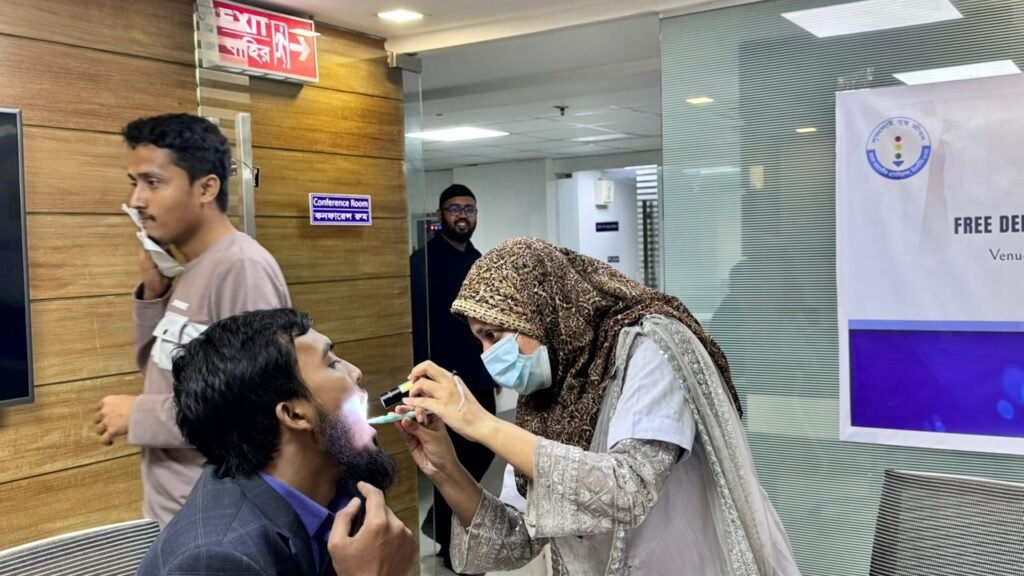
During a routine dental checkup, your dentist doesn’t just look for cavities. They screen for oral cancer, check your gums for signs of gum disease, examine your jaw and bite, and look for early indicators of conditions like diabetes, acid reflux, and even heart disease. The mouth is often described as a window into overall health — and what a dentist finds during a checkup can sometimes lead to a diagnosis that saves a patient’s life.
Gum disease, for instance, has been linked to an increased risk of heart attack and stroke. Untreated tooth infections can spread to the jaw, neck, and even the brain. And poor oral health is associated with worse outcomes in people managing diabetes. These aren’t rare worst-case scenarios — they’re well-documented risks that regular dental care helps prevent.
What Happens During a Dental Checkup?
If it’s been a while since your last visit — or if you’ve never been to the dentist — knowing what to expect can ease a lot of anxiety. A standard dental checkup typically includes:
Medical and Dental History Review
Your dentist or hygienist will ask about any changes in your health, medications you’re taking, and any concerns you have about your teeth or gums. This information helps them provide the safest and most appropriate care.
Professional Teeth Cleaning
A dental hygienist will remove plaque and tartar buildup that regular brushing and flossing can’t reach. This is called scaling. They’ll also polish your teeth and may provide tips on improving your at-home oral hygiene routine.
Clinical Examination
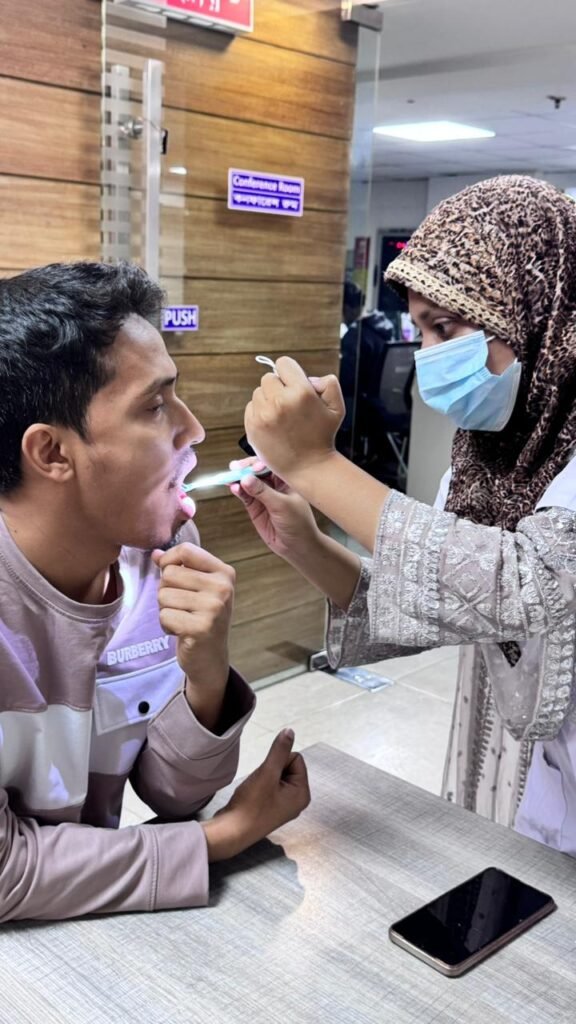
The dentist will check each tooth for decay, examine your gums for signs of disease, and look at your tongue, cheeks, and throat for anything unusual. They’ll also check your bite and jaw for any misalignment or signs of grinding.
X-Rays (When Needed)
Dental X-rays help the dentist see problems that aren’t visible to the naked eye — like decay between teeth, bone loss, or impacted teeth. They’re not always done at every visit, but they’re a standard part of comprehensive care.
Most dental checkups take between 45 minutes and an hour. They’re not painful, and they leave you with a clear picture of your oral health and a plan for any follow-up care you might need.
How Often Should You Get a Dental Checkup?
The standard recommendation from dental health organizations is to get a dental checkup every six months. However, this can vary based on your individual needs. People with gum disease, a history of frequent cavities, or certain health conditions may need to be seen more often. Others with very healthy teeth and low risk may be fine with an annual visit.
The key is consistency. Skipping checkups for years at a time means small problems get a chance to become big, expensive ones. A cavity caught early costs far less to treat than a root canal or extraction. Prevention is always cheaper — and less uncomfortable — than treatment.
Where to Find a Free Dental Checkup
Cost is the number one reason people skip dental care. If you don’t have dental insurance or can’t afford out-of-pocket costs, here are the best places to find a free dental checkup in your community.

1. Federally Qualified Health Centers (FQHCs)
Community health centers funded by the federal government are required to offer dental services on a sliding-scale fee basis — meaning what you pay depends on your income. Many offer free dental checkups for patients who qualify. You can find the nearest community health center at findahealthcenter.hrsa.gov.
2. Dental Schools
Accredited dental schools provide care at significantly reduced costs — and often for free — as part of their training programs. Students perform procedures under the direct supervision of licensed dentists, so the quality of care is reliable. The process may take a bit longer than a private practice visit, but the savings are substantial. Search for dental schools near you through the American Dental Association’s website.
3. Non-Profit Dental Clinics
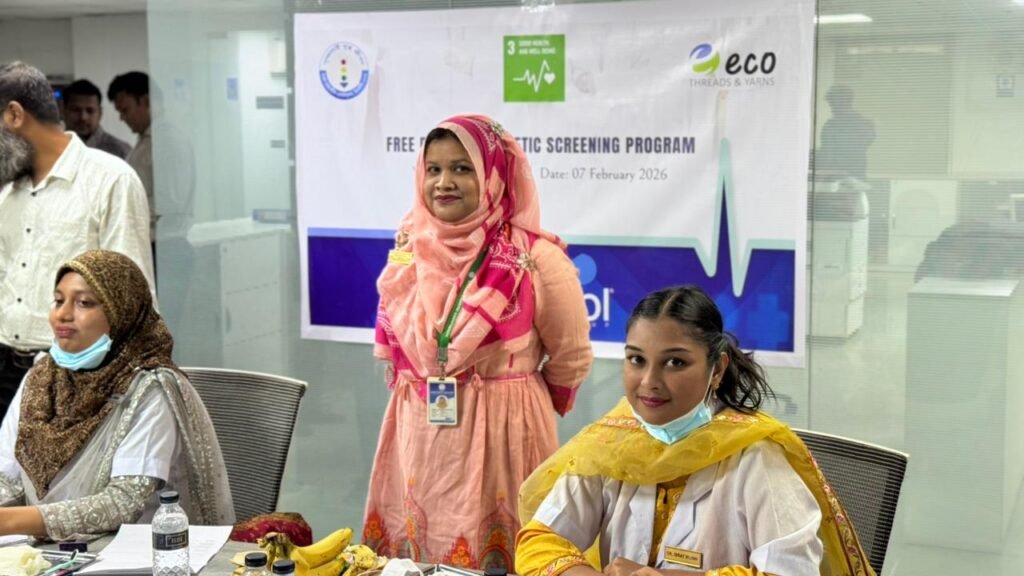
Across the country, non-profit organizations operate dental clinics specifically for low-income and uninsured patients. Groups like Mission of Mercy, Remote Area Medical (RAM), and local free clinic networks regularly host free dental checkup events where licensed volunteers provide care at no charge. These events can draw hundreds of patients and often offer cleanings, exams, X-rays, and basic treatment all in one day.
4. Give Kids a Smile and Other Youth Programs
Children from low-income families often have limited access to dental care. Programs like Give Kids a Smile — coordinated by the American Dental Association Foundation — provide free dental checkups and treatment to children across the country. Schools and pediatric health programs also frequently partner with local dentists to bring screenings directly to students.
5. State and Local Health Departments
Many state and county health departments run oral health programs that include free or low-cost dental checkup services. Call your local health department or visit their website to find out what programs are available where you live.
6. Veterans’ Services
If you’re a veteran, you may be eligible for free dental care through the VA health system. Eligibility depends on your service history and disability rating, but many veterans qualify for comprehensive dental benefits. Contact your local VA medical center to find out what you’re entitled to.
What to Bring to Your Dental Checkup
Whether you’re visiting a free clinic or a community health center, being prepared helps the appointment go smoothly. Here’s what to bring:
- A photo ID (driver’s license, passport, or state ID)
- Proof of income (if the clinic uses a sliding-scale fee structure)
- A list of any medications you currently take
- Information about any health conditions you have, especially heart disease, diabetes, or blood thinners
- Any dental records or X-rays from previous visits, if you have them
If you’re nervous about going to the dentist, let the staff know when you arrive. Dental anxiety is very common, and trained providers know how to help patients feel more comfortable.
Oral Health Tips to Use Between Checkups
Getting a dental checkup is a great start, but your daily habits matter just as much. Here are some straightforward steps to keep your teeth and gums healthy between visits:
- Brush your teeth twice a day with fluoride toothpaste for at least two minutes each time
- Floss once a day to remove plaque and food from between teeth where your toothbrush can’t reach
- Drink tap water when possible, since most public water supplies contain fluoride that strengthens teeth
- Limit sugary drinks and snacks, which feed the bacteria that cause tooth decay
- Don’t smoke or use tobacco products — they significantly increase the risk of gum disease and oral cancer
- Wear a mouthguard when playing contact sports to protect against tooth injuries
Good oral hygiene at home, combined with regular professional care, is the most effective way to avoid costly dental problems down the road.
How Non-Profit Organizations Are Closing the Gap
Dental care remains one of the most underfunded areas of public health in the United States. Unlike medical care, dental coverage is often excluded from basic health insurance plans, and Medicaid dental benefits for adults vary widely by state — with many states offering only emergency extractions.
Non-profit organizations are stepping in to fill that gap. Through volunteer dentist networks, mobile dental units, community health partnerships, and grant-funded clinics, they’re bringing free dental checkup services to populations that would otherwise go without care entirely.
The impact is real. When people can access a free dental checkup, they’re more likely to catch problems early, get connected to affordable ongoing care, and avoid the emergency room visits that often result from untreated dental infections — visits that are far more expensive and traumatic than a routine checkup would have been.
If you want to support this work, consider donating to or volunteering with organizations that run free dental programs in your community. Dental professionals can volunteer their time, and non-professionals can help with logistics, outreach, and administration.
Don’t Wait — Your Smile Can’t Afford It
A dental checkup is one of the simplest and most effective things you can do for your health. It takes less than an hour, it’s not painful, and it gives you a clear picture of what’s happening in your mouth — and sometimes in your body as a whole.
If cost has been the reason you’ve put it off, know that free options are available. Community health centers, dental schools, non-profit clinics, and health department programs exist precisely to help people like you get the care they need without the financial burden.
Take the first step today. Search for a free dental checkup program in your area, make an appointment, and go. Your teeth — and your overall health — will be better for it.