


More than 37 million Americans have diabetes — and nearly one in five of them don’t know it. That’s a staggering number, especially when you consider that catching diabetes early can prevent serious complications like heart disease, kidney failure, and vision loss. The good news? You don’t have to pay out of pocket to find out where you stand. Free diabetes screening is available in communities across the country, and non-profit organizations are working hard to make sure everyone — regardless of income or insurance — can access it.
If you’ve been putting off getting tested because of cost, this guide is for you. Below, you’ll find everything you need to know about free diabetes screening: what it involves, who should get it, and how to find a program near you.
What Is Diabetes Screening?
Diabetes screening is a simple test that checks your blood sugar (glucose) levels. It helps identify whether you have diabetes or prediabetes — a condition where blood sugar is higher than normal but not yet high enough to be diagnosed as type 2 diabetes.

The most common tests used in screening are:
- Fasting Blood Glucose Test: You avoid eating for at least 8 hours before the test. A blood sample is taken to measure your glucose level.
- A1C Test: This test shows your average blood sugar levels over the past 2–3 months. No fasting is required.
- Random Blood Glucose Test: A blood sample taken at any time, regardless of when you last ate.
These tests are quick, minimally invasive, and can give you critical information about your health. Many free diabetes screening events use a small fingerstick blood draw and can deliver results in minutes.
Why Early Detection Makes a Real Difference
Diabetes doesn’t always show obvious symptoms in its early stages. Some people live with high blood sugar for years without feeling sick — all the while, silent damage is occurring in the body’s blood vessels, nerves, and organs.

When detected early, diabetes and prediabetes are far more manageable. Research consistently shows that lifestyle changes — like eating better, moving more, and losing a modest amount of weight — can delay or even prevent type 2 diabetes in people with prediabetes. For those already diagnosed, early treatment significantly reduces the risk of complications.
That’s why free diabetes screening programs are so valuable. By removing cost as a barrier, they give people a fighting chance to take action before the disease progresses.
Who Should Get Screened?
The American Diabetes Association recommends that adults get screened starting at age 45. However, screening should happen earlier if you have any of the following risk factors:
- You are overweight or have obesity
- A parent, sibling, or close family member has diabetes
- You are physically inactive
- You have high blood pressure or high cholesterol
- You had gestational diabetes during pregnancy or gave birth to a baby weighing more than 9 pounds
- You are from a racial or ethnic group with higher risk, including African American, Hispanic, Native American, Asian American, or Pacific Islander communities
- You have been diagnosed with polycystic ovary syndrome (PCOS)
Even if none of these apply to you, regular screening is a smart habit. You don’t need to feel sick to have elevated blood sugar — and knowing your numbers is one of the most empowering steps you can take for your long-term health.
Where to Find Free Diabetes Screening Near You
There are several reliable places to access free diabetes screening, many of them run or supported by non-profit organizations committed to public health.
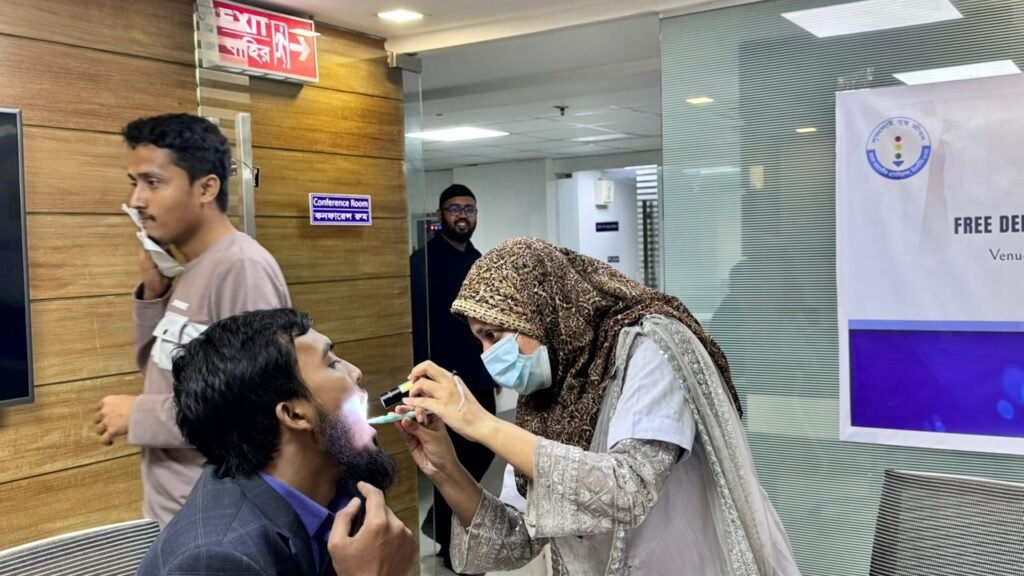
1. Community Health Centers (FQHCs)
Federally Qualified Health Centers are non-profit clinics that serve people regardless of their ability to pay. They offer sliding-scale fees and often provide free screenings for diabetes and other chronic conditions. You can find a community health center near you by visiting HRSA’s health center locator at findahealthcenter.hrsa.gov.
2. Local Non-Profit Health Organizations
Many non-profit organizations host free diabetes screening events throughout the year — especially during November (American Diabetes Month) and around World Diabetes Day on November 14th. These events are often held in churches, community centers, libraries, and local clinics. Look for announcements from organizations like the American Diabetes Association, local YMCAs, or regional health coalitions.
3. Pharmacies and Retail Health Clinics
Chains like CVS, Walgreens, and Walmart periodically offer free or low-cost health screenings, including blood sugar testing. These are convenient options if you don’t have a primary care provider. Check their websites or in-store bulletin boards for upcoming events.
4. Health Fairs and Community Events
Local health fairs, often organized by hospitals, county health departments, or community groups, frequently include free diabetes screening as part of their services. These events are great opportunities to get multiple health checks in one place and connect with local resources.
5. Your Local Health Department
County and city health departments often run chronic disease prevention programs that include free or low-cost screenings. Call your local health department or visit their website to find out what’s available in your area.
6. Workplace Wellness Programs
If you’re employed, check whether your company offers a workplace wellness program. Many employers partner with health providers to offer free screenings — including blood sugar tests — to employees during work hours.
What Happens After Screening?
Getting screened is just the first step. Here’s what to expect based on your results:
- Normal results: Great news — but don’t stop there. Continue healthy habits and get rescreened every 1–3 years, depending on your risk factors.
- Prediabetes: Your blood sugar is elevated, but you have a real opportunity to turn things around. A healthcare provider or diabetes prevention program can help you make lifestyle changes that reduce your risk of developing type 2 diabetes.
- Diabetes: A diagnosis can feel overwhelming, but early treatment works. Your provider will discuss medication, diet, exercise, and monitoring to help you manage the condition and protect your long-term health.
Many free diabetes screening programs also connect participants with follow-up care and community resources, so you won’t be left on your own after you receive your results.
The National Diabetes Prevention Program (National DPP)
If your free diabetes screening shows that you have prediabetes, you may be eligible for the National Diabetes Prevention Program (National DPP) — a CDC-recognized lifestyle change program offered across the country, often at little or no cost.
The program is typically delivered over 12 months by trained lifestyle coaches. Participants work in small groups to make lasting changes in eating habits and physical activity. Studies show that people who complete the program reduce their risk of developing type 2 diabetes by up to 58% — and by 71% for those over age 60.
Many non-profit organizations, YMCAs, and community health centers offer National DPP programs. You can find a recognized program near you at the CDC’s website.
Breaking Down Barriers to Screening
For many people, the biggest hurdles to getting screened are cost, lack of insurance, language barriers, and not knowing where to go. Non-profit organizations focused on diabetes prevention are actively working to address all of these issues.
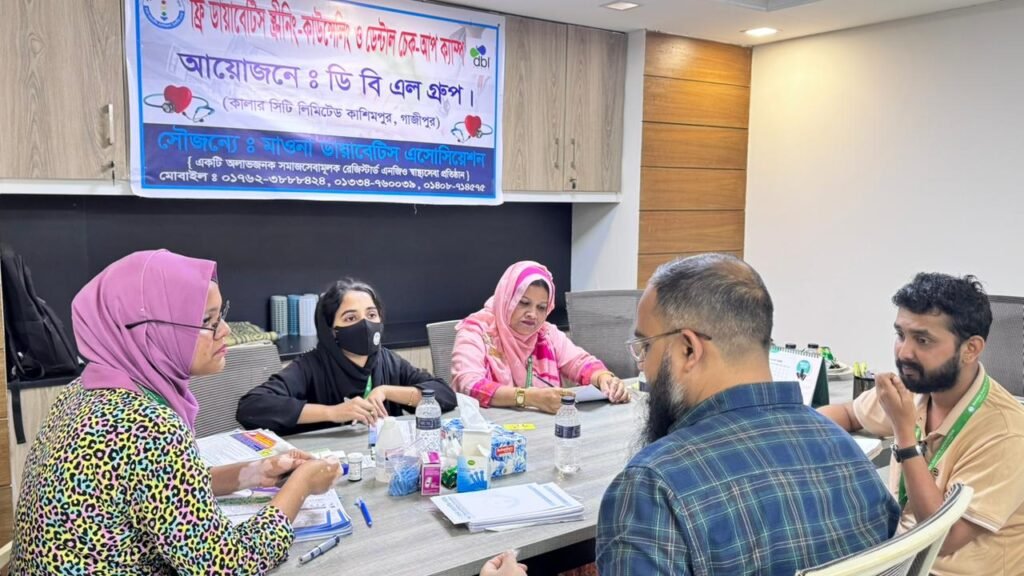
Free diabetes screening programs in underserved communities often provide:
- Testing at no cost, with no insurance required
- Bilingual or multilingual staff and materials
- Transportation assistance or mobile screening units
- Connections to local clinics, food programs, and other support services
If you or someone you know has been avoiding the doctor because of cost or other concerns, free diabetes screening is a no-commitment, no-cost way to start taking charge of your health.
How You Can Help Spread the Word
Millions of people at risk for diabetes still haven’t been screened. You can help change that by sharing information about free diabetes screening with friends, family members, and coworkers — especially those who have risk factors but may not know it.
Consider:
- Sharing this article on social media
- Posting flyers for upcoming screening events at your workplace, place of worship, or community center
- Volunteering with a local non-profit that runs diabetes prevention programs
- Donating to organizations that fund free screenings in underserved communities
Awareness is one of the most powerful tools in public health. The more people know that free diabetes screening exists, the more lives can be protected.
Take the First Step Today
Diabetes is serious — but it’s also one of the most preventable and manageable chronic diseases when caught early. Free diabetes screening removes the financial barrier that keeps so many people from knowing their risk.
Whether you’re concerned about your own health, looking out for a family member, or simply want to know your numbers, there’s no reason to wait. Reach out to a local non-profit health organization, community health center, or health department today to find a free screening event near you.
A simple blood test could change your life. And it won’t cost you a thing.